
EV Charging Infrastructure
AC chargers for destinations and workplaces, plus DC fast chargers for high-traffic, public charging, fleet, depot, terminal, and mobility-hub applications.
Our Solutions
Kuryentech supports commercial, industrial, government, fleet, and investor-led energy projects with business-ready charging, battery storage, solar-ready integration, and local project support.
Solution Portfolio
Kuryentech matches each solution to the site use case, operating requirements, budget, electrical capacity, and long-term energy objectives.
AC chargers for destinations and workplaces, plus DC fast chargers for high-traffic, public charging, fleet, depot, terminal, and mobility-hub applications.

BESS solutions for backup power, peak-demand management, solar energy storage, power quality, operational resilience, and business continuity.

A phased roadmap connecting grid power, solar PV, battery storage, site loads, and EV chargers to support EV readiness, resilience, savings potential, and sustainability goals.

Site assessment, equipment supply, installation support, testing and commissioning, turnover coordination, and after-sales support planning.
EV Charger Products
Final configuration, connector selection, certifications, warranties, and project scope remain subject to the approved product datasheet and project quotation.
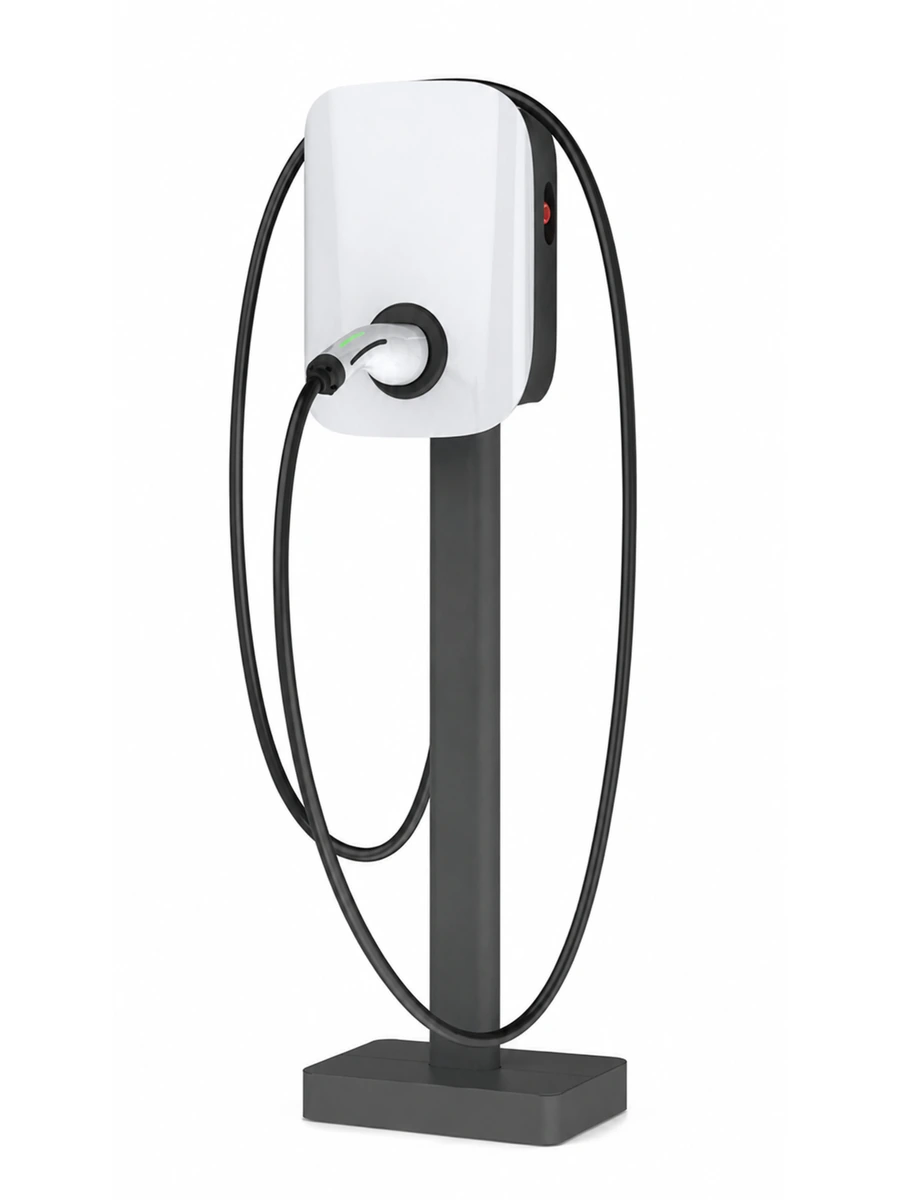
Destination and Workplace Charging
Compact wall-mounted or pedestal charging for homes, offices, hotels, condominiums, campuses, malls, and workplace parking.
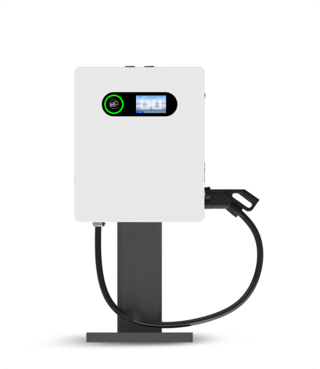
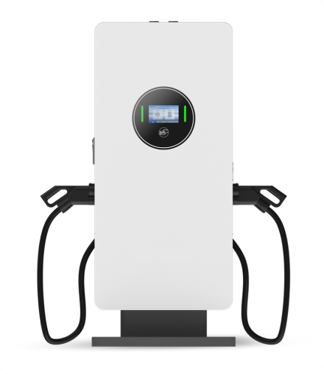
Compact DC Fast Charging
Compact DC charging for workplaces, commercial sites, residential developments, and locations requiring faster charging without a full-size high-power cabinet.
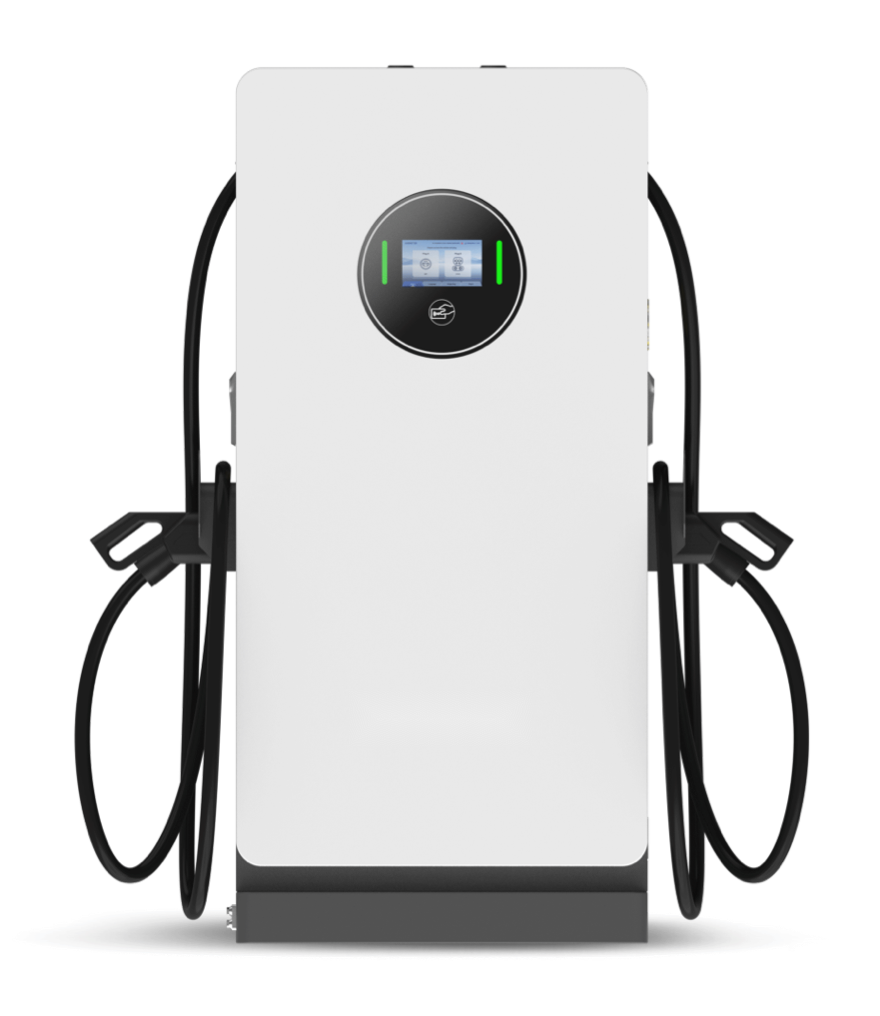
Public, Fleet, and Transport Charging
Integrated power units and charging connectors in one cabinet for public charging stations, fleets, depots, terminals, transport hubs, and other high-utilization sites.
Commercial & Industrial Energy Storage
Kuryentech supports battery energy storage projects based on each facility’s operating priorities, electrical load profile, solar resources, and resilience requirements. Final equipment selection and system configuration will be confirmed through project-specific assessment.
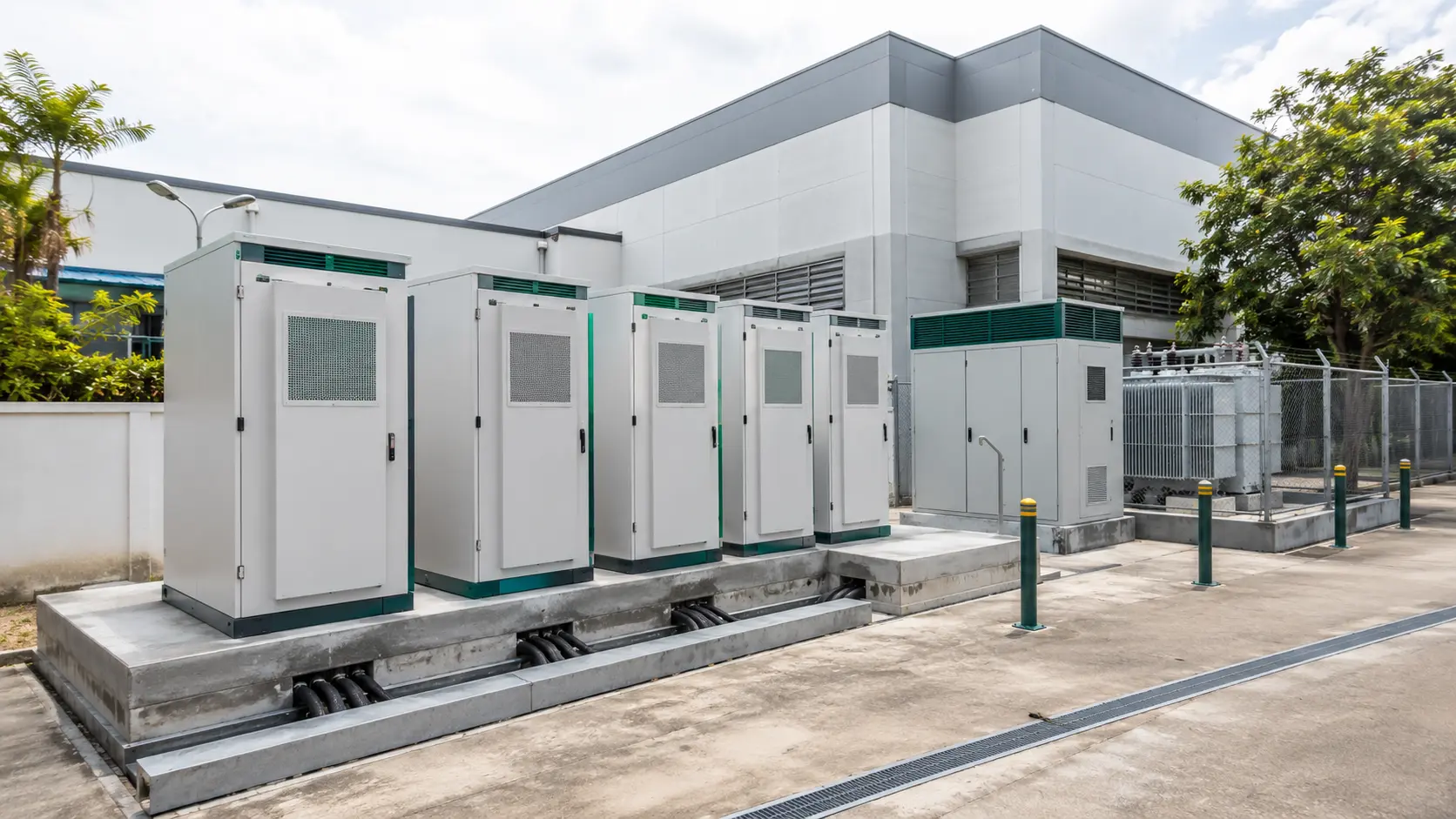
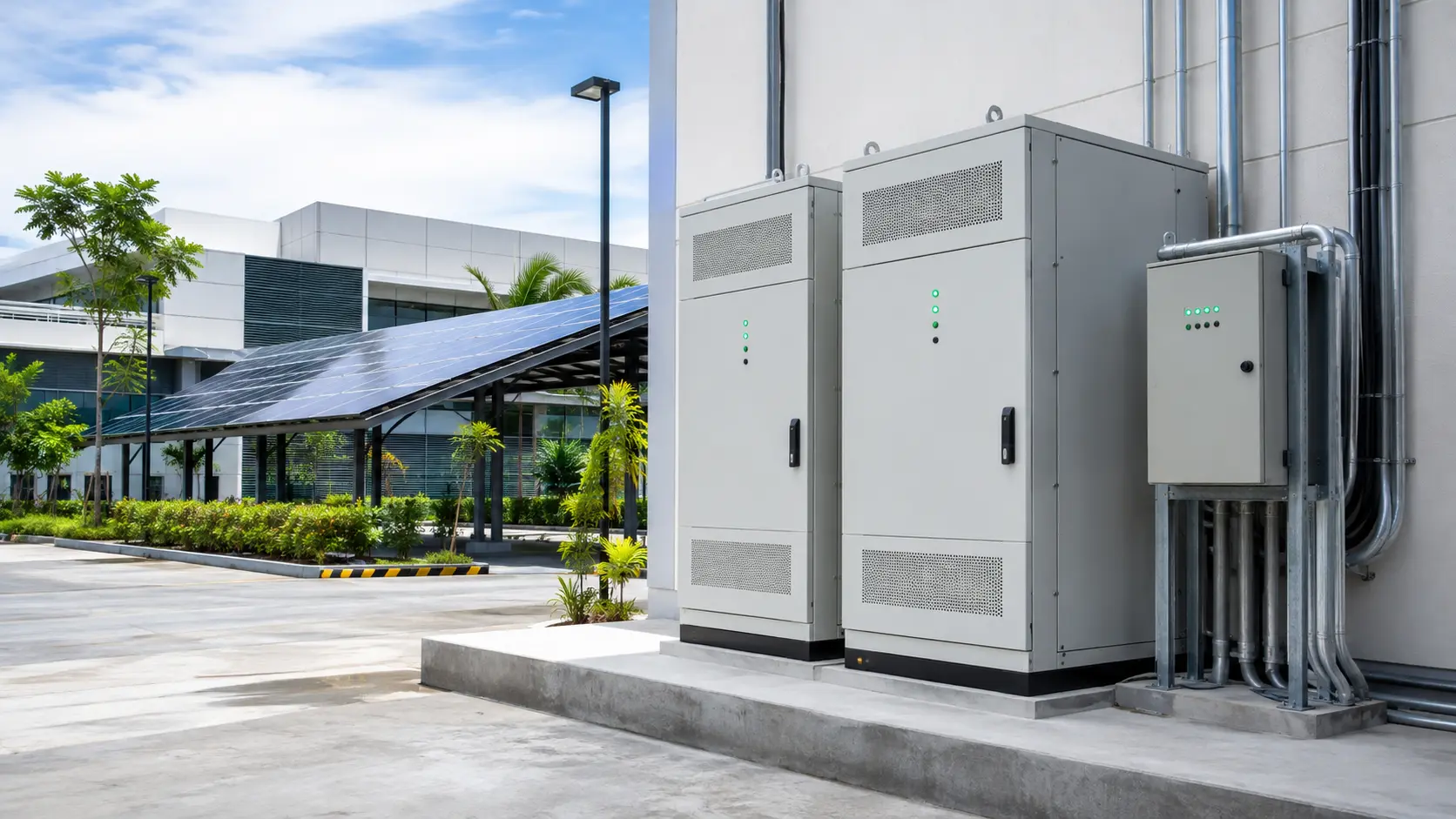
Support critical loads during grid interruptions, reduce operational disruption, and help facilities maintain essential services while power is unavailable.
Discharge stored energy during high-demand periods to help manage peak load, reduce strain on site capacity, and improve energy-cost control.
Store excess solar generation for use when production falls, improving renewable-energy utilization and supporting energy savings and resilience objectives.
Plan for system monitoring, performance visibility, preventive maintenance, technical coordination, and structured after-sales support throughout operation.
End-to-End Project Delivery
Clarify the site use case, business objective, budget range, and operating constraints.
Review site conditions, electrical capacity, load profile, and installation considerations.
Recommend charger or BESS size, integration scope, commercial framing, and phasing.
Coordinate equipment supply, installation support, testing, commissioning, and turnover.
Plan preventive maintenance, monitoring, reporting, and technical escalation.
Build in Phases
Final charger ratings, BESS capacity, backup duration, and integration scope should be confirmed through site assessment, load data, and project-specific technical review.